
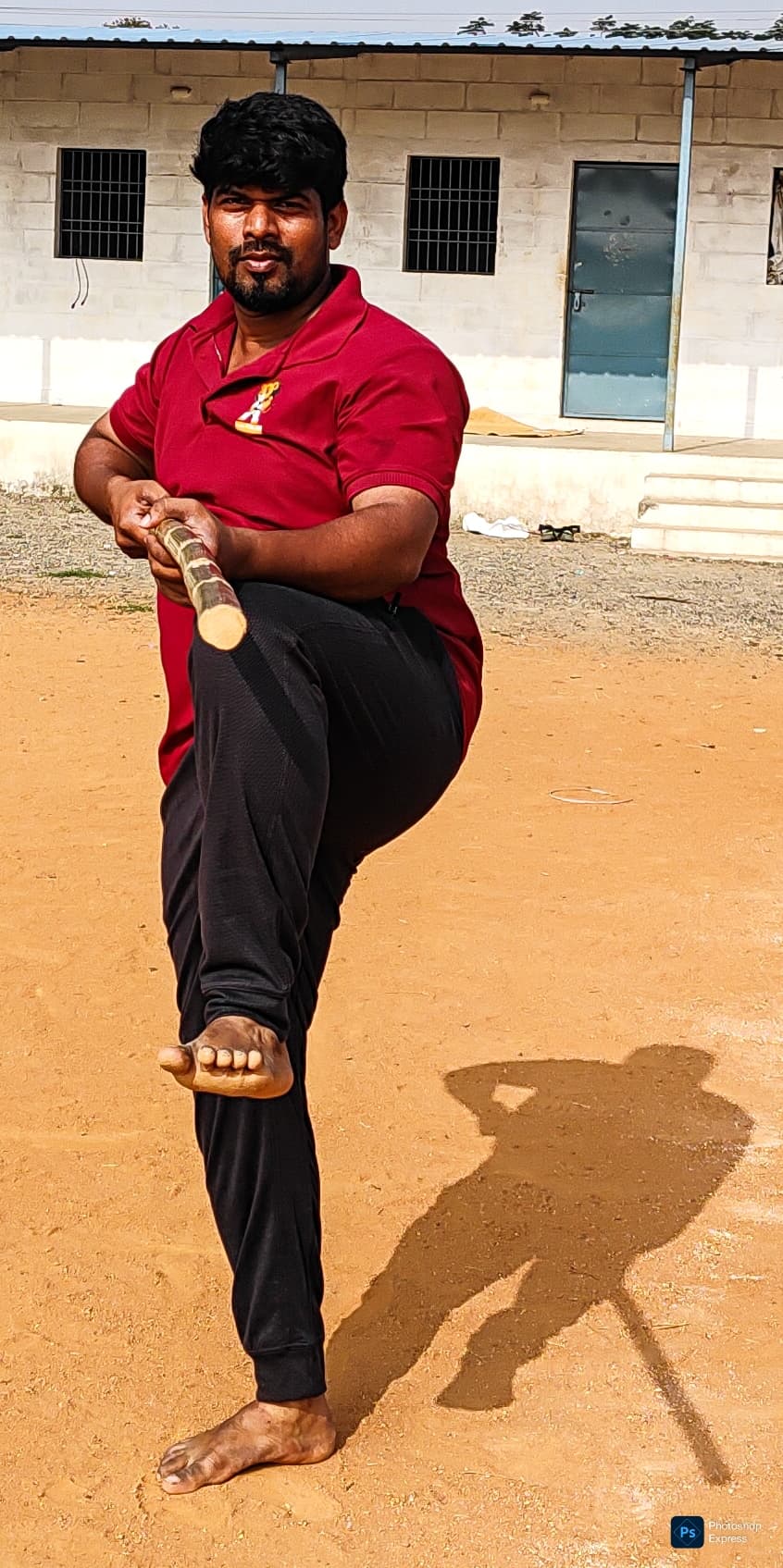
Silambam
Ancient Warrior Tradition
Master the legendary South Indian stick-fighting art passed down through generations. A perfect blend of fitness, self-defense, and cultural heritage.
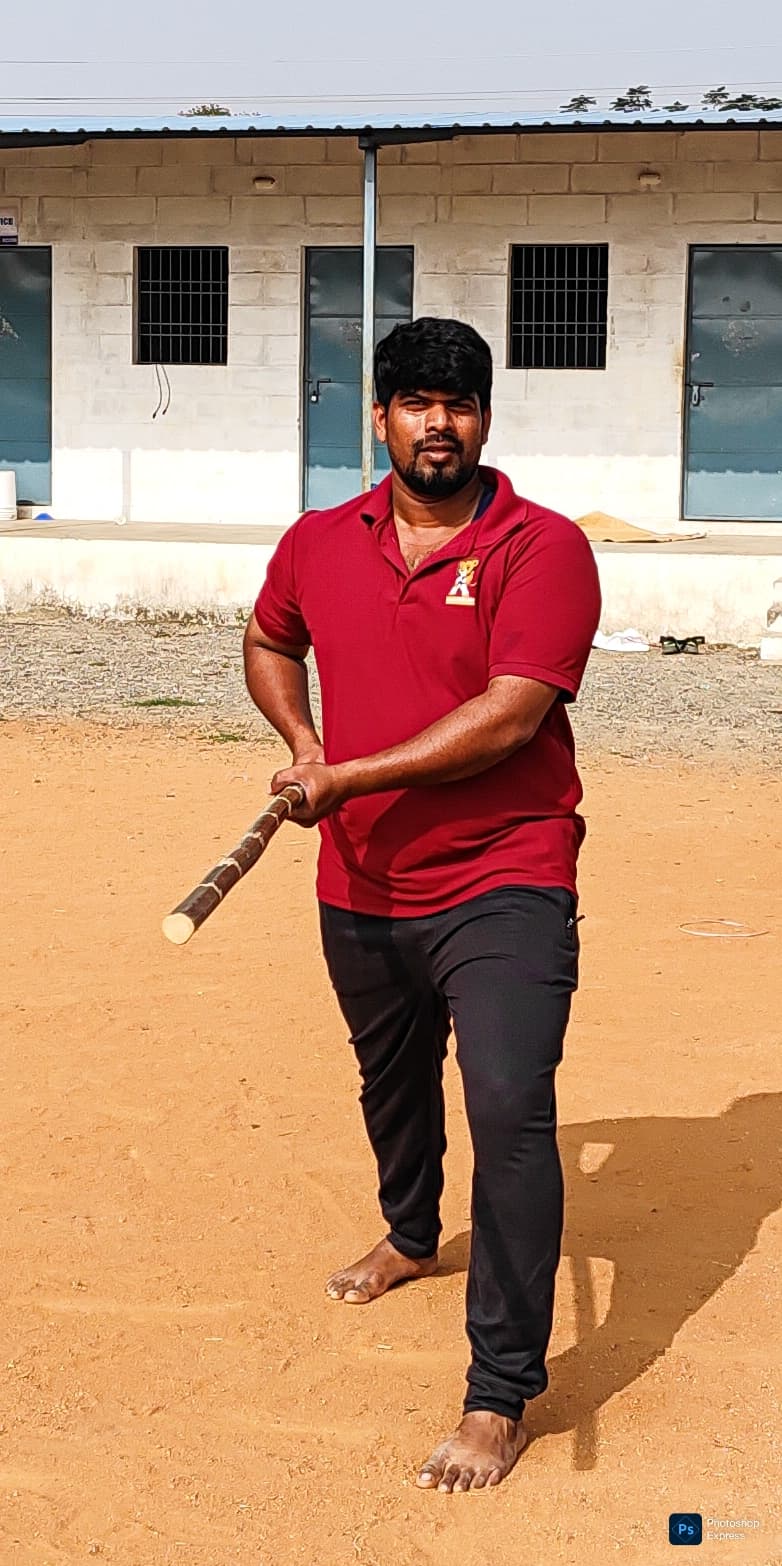
150+
Active Students
30+
State Medals
Govt.
Recognized
5000
Years Old Art
What is Silambam?
Silambam is one of the oldest martial arts in the world, originating in the Tamil Nadu region of South India. The name comes from the Tamil word for bamboo staff - the primary weapon used in this art form.
Ancient Tamil literature, including Sangam poetry, references Silambam as a martial art practiced by warriors. It was used in actual combat and later became a systematic method of self-defense and physical training.
Today, Silambam is recognized by the Government of India as a sport and is practiced worldwide. It combines self-defense, fitness, and cultural preservation in one beautiful art form.
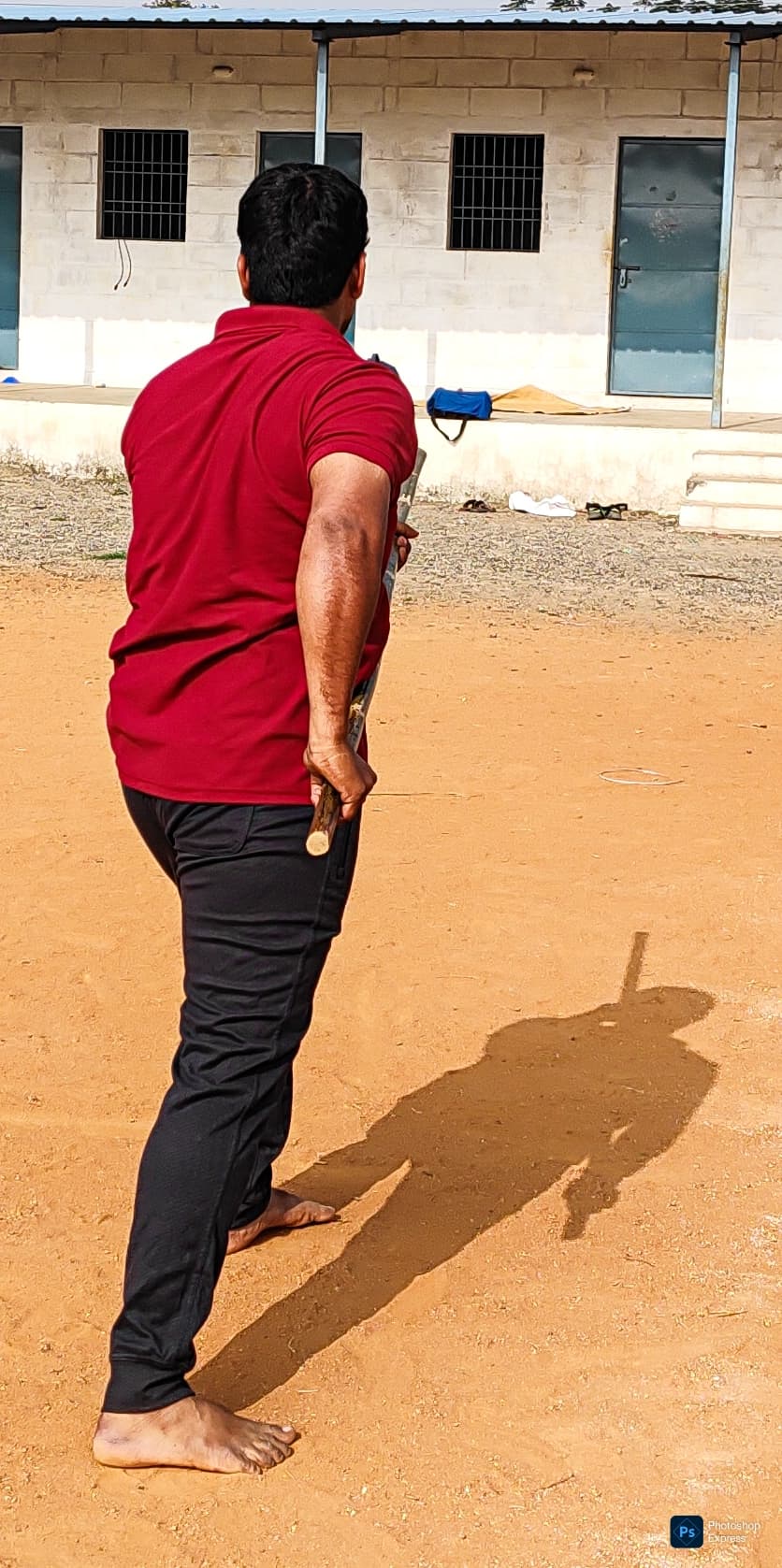
Why Learn Silambam?
Beyond being an effective martial art, Silambam offers unique benefits that set it apart from other disciplines.
Self-Defense Mastery
Learn ancient stick fighting techniques that are highly effective for self-protection.
Reflexes & Speed
Develop lightning-fast reflexes and hand-eye coordination through weapon training.
Full-Body Workout
Build strength, stamina, and flexibility through dynamic movements and footwork.
Cultural Heritage
Connect with Tamil Nadu's ancient warrior tradition and preserve cultural legacy.
Focus & Precision
Develop mental focus and precision through controlled weapon handling.
Confidence Building
Gain confidence through mastering a challenging and unique martial art.
Training Curriculum
Our curriculum follows traditional Silambam methodology, adapted for modern learners. Progress through stages from basic stick handling to advanced weapon mastery.
Beginner (Suvadi)
3-6 months
- Basic stances and footwork
- Single-hand grip techniques
- Fundamental strikes and blocks
- Basic stick spinning (Suvadi Adavu)
Intermediate (Kuthu Suvadi)
6-12 months
- Two-handed techniques
- Combination attacks
- Defensive counters
- Speed training drills
Advanced (Nedungan)
1-2 years
- Long staff (Nedungan) techniques
- Partner drills and sparring
- Competition forms
- Weapon transitions
Master Level
3+ years
- Advanced weapon combinations
- Traditional forms (Adimurai)
- Teaching methodology
- Tournament preparation
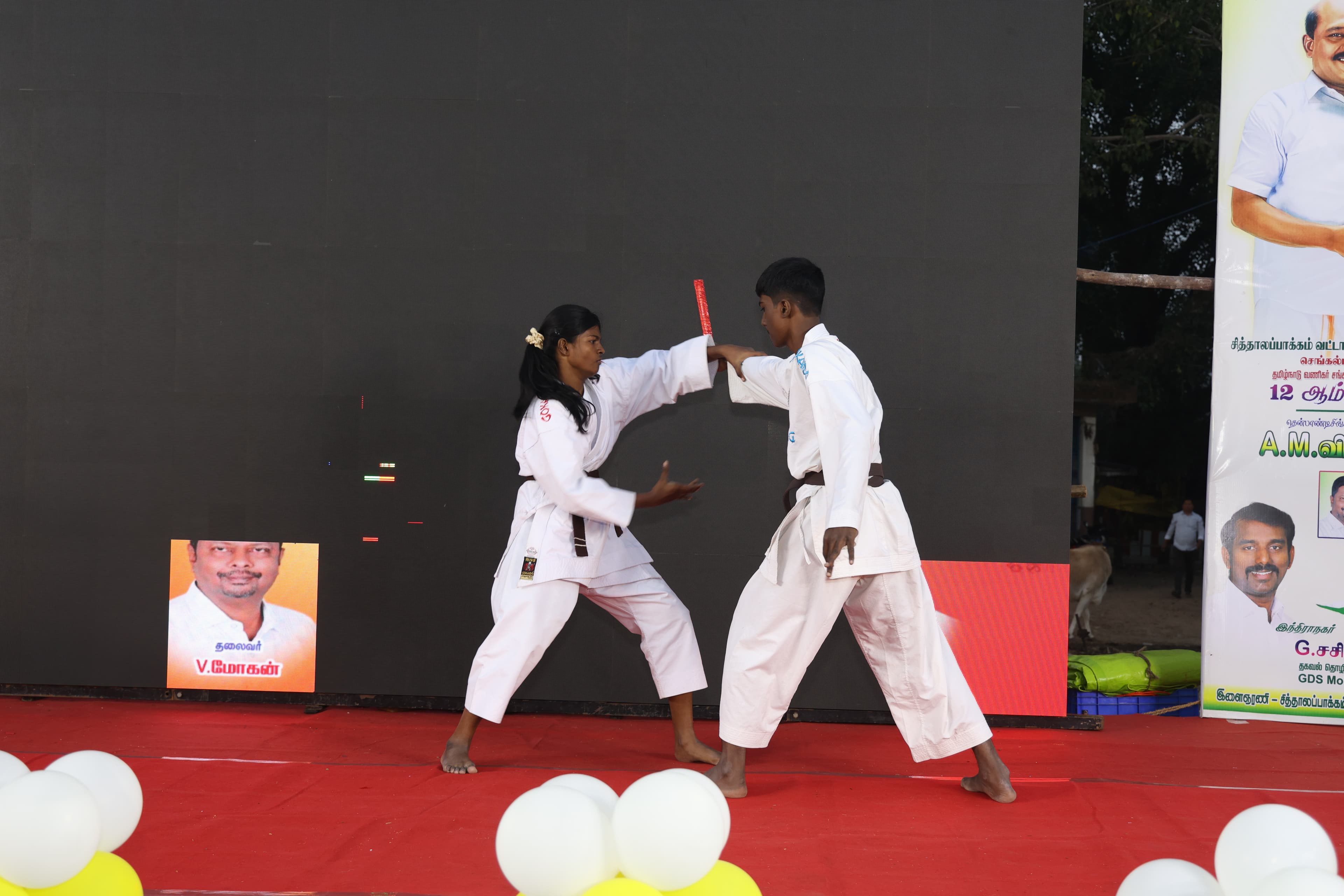
Government Recognized Martial Art
Silambam is officially recognized by the Ministry of Youth Affairs & Sports, Government of India. Our academy follows the guidelines set by the Silambam Federation of India.
Ministry of Youth Affairs & Sports
Government of India Recognition
Class Schedule
Flexible timings to accommodate students of all ages. Equipment (sticks) provided for beginners.
6:00 AM - 7:00 AM
Tue, Thu, Sat
All Ages (8+)
6 slots left5:30 PM - 6:30 PM
Mon, Wed, Fri
Kids (8-14 years)
4 slots left10:00 AM - 11:00 AM
Sat, Sun
Weekend Batch
AvailableFrequently Asked Questions
What is Silambam?
Silambam is an ancient Tamil martial art that primarily uses bamboo staves as weapons. It dates back over 5,000 years and was practiced by warriors across Tamil Nadu and other parts of South India.
What age can start learning Silambam?
Children can start learning Silambam from age 8. The art requires some basic coordination and strength, which develops around this age. We have programs for all age groups including adults.
Is Silambam dangerous?
Like all martial arts, Silambam involves some risk, but our training emphasizes safety. Beginners use padded sticks, and we teach control and respect for the weapon from day one.
Is Silambam recognized as a sport?
Yes! Silambam is recognized by the Ministry of Youth Affairs and Sports, Government of India. Competitions are held at state, national, and international levels.
Preserve the Warrior Tradition
Join us in keeping this ancient art alive. Learn Silambam and become part of a 5000-year legacy.